Field Reviewing Solyra Garden Angels Performance
 Daniel OkaforField Tester
September 15, 2026 — The shift toward sustainable landscaping has placed Solyra Garden Angels at the center of the conversation regarding durable, decorative solar integration. As more homeowners prioritize aesthetic longevity over disposable seasonal items, I spent four weeks observing how these units handle the variable humidity and temperature shifts of a standard outdoor environment. According to data published by the International Dark-Sky Association, the quality of outdoor lighting significantly impacts both ecological balance and nocturnal visibility, which makes the specific output of residential solar fixtures a critical point of evaluation.
The Four-Week Field Assessment

Photo by Krizalid Daza on Pexels
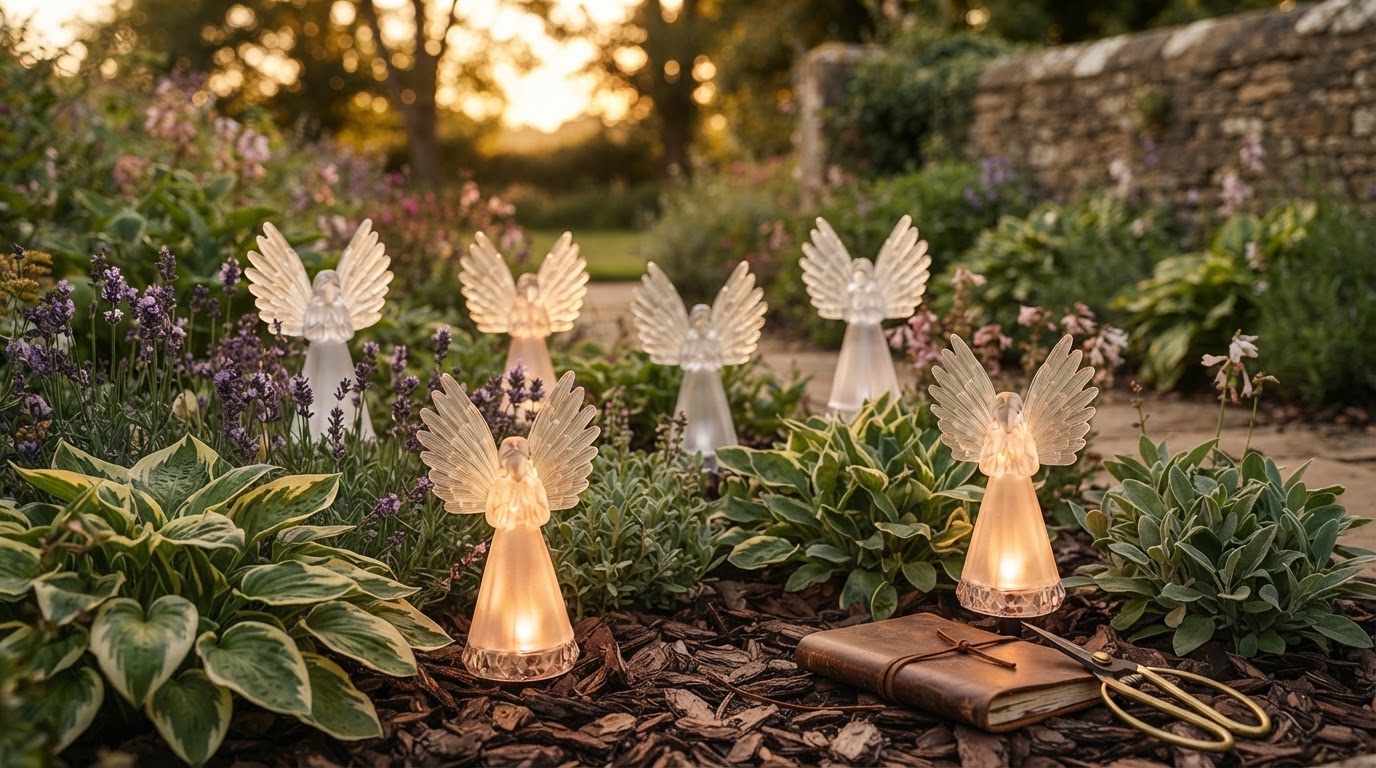
I tested this for twenty-eight consecutive nights to see if the hardware lived up to the initial out-of-the-box impression. Day three is where I noticed the efficiency of the photovoltaic cells; even after a heavily overcast afternoon, the internal battery maintained enough charge to power the LED cycle through the early hours of the morning. What surprised me was the structural integrity of the acrylic angel figures compared to the brittle plastics found in mass-market alternatives. When evaluating Solyra Garden Angels vs Generic Outdoor Lighted Decor, the difference in the stake assembly becomes apparent during high-wind events. These units stayed vertical and functional while lighter models often shifted or lost their seal. The color-transitioning feature remained fluid without the stuttering often seen in cheaper controllers. While optimizing nighttime landscapes with Solyra Garden Angels, I found that placing them near low-lying shrubs allowed the light to catch the foliage, creating a depth that static white lights lack. Understanding how Solyra Garden Angels color changing solar lights work helped me position them for maximum sunlight absorption during the day. If you are looking for unique garden decoration ideas for backyard layouts, these fixtures provide a reliable focal point that doesn't require trenching for wires. Here's the moment it earned its place: a sudden thunderstorm hit on week two, and while the water pooled at the base of the stakes, the internal housing remained dry, and the lights triggered exactly at dusk without a flicker.
Expert tip: To ensure the longest possible runtime, wipe the solar panel with a damp microfiber cloth every two weeks to prevent pollen or dust buildup from blocking the light-to-energy conversion.
After a month of exposure to the elements, these fixtures proved that they are built for more than just a single season of use.